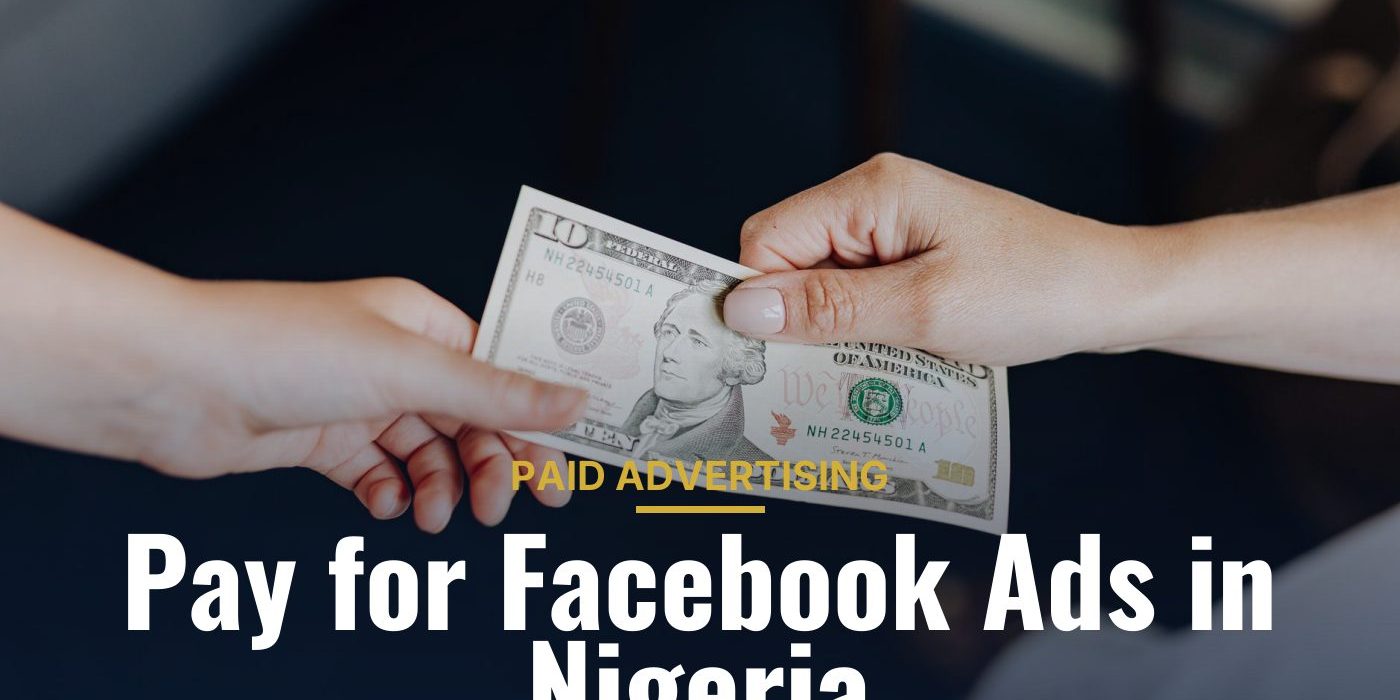
₦50,000 budgeted for ads. ₦0 spent. A declined transaction, a frozen ad account, and a business owner refreshing Meta Business Suite at 11pm wondering what went wrong. This happens to Nigerian advertisers every single day, and it has nothing to do with their offer or their targeting. If you’re figuring out how to pay for Facebook ads in Nigeria, you’re dealing with a billing system, not a bad card.
Knowing how to pay for Facebook ads in Nigeria isn’t about picking a card and hoping. It’s a system with real failure points: currency mismatch between your card and your ad account, threshold billing that charges you mid-week without warning, and restrictions that lock you out right when a campaign is finally gaining traction. Most guides tell you to “use a Mastercard” and stop there. That’s not enough, and it’s why so many advertisers get burned on their first or second campaign.
This guide walks through exactly how to set up your payment method the right way the first time, so your ad spend goes into reaching customers, not into a declined transaction or a suspended account. By the end, you’ll know which cards actually work, how billing thresholds catch people off guard, and what to do before you ever click “Publish” on a campaign.
Facebook Ads payment in Nigeria: the process of funding a Meta ad account with a Nigerian payment method — usually a naira Mastercard or Verve card, a virtual USD card, or a domiciliary debit card — so Meta can charge your ad spend in the currency tied to the account.
Why Most Facebook Ads Payments Fail in Nigeria
Here’s the mistake: advertisers treat “add a card” as the whole job. It isn’t. Learning how to pay for Facebook ads in Nigeria means learning the whole billing chain, not just adding a card. Payment is a chain with three weak links, and most Nigerian advertisers only find out which one snapped after their account gets restricted or their ₦50,000 budget disappears mid-flight.
The first break is currency mismatch. Meta bills in USD even when your card is naira-denominated, so your bank applies its own exchange rate and sometimes a foreign transaction fee on top. The second is threshold billing. Once your account builds enough trust, Meta stops charging per day and starts charging whenever you hit a spending threshold — and if your card can’t cover that sudden charge, ads pause without warning. The third is account restriction, usually triggered by repeated declines that look like fraud flags rather than low balance.
None of these show up in the generic “use a Mastercard” advice. We cover the fix for each one in How to Monetize Social Media in Nigeria in 2026, but the short version is this: your payment method has to survive currency conversion, threshold spikes, and Meta’s trust algorithm — all three, not just one.
Why Does This Payment Problem Keep Happening to Nigerian Advertisers?
It persists because most of the advice circulating is incomplete. Most guides explaining how to pay for Facebook ads in Nigeria tell you to “just get a Mastercard” and stop there, like the card alone fixes a billing system with multiple failure points. Nobody mentions that Meta can switch your billing threshold without warning, or that a naira card with insufficient USD buffer gets declined mid-campaign, killing delivery right when your ads start converting.
There’s also a tool gap. Advertisers reach for whatever card is in their wallet instead of setting up a dedicated virtual USD card meant for ad spend. Then there’s the mindset gap: budgeting ₦50,000 for “Facebook ads” without budgeting for currency conversion loss, failed-charge retries, or the first threshold jump from $25 to $50 or higher.
Platform changes make it worse. Meta adjusts billing rules and fraud checks regularly, and a setup that worked in 2024 can flag your account in 2026. None of this is your fault for not knowing. It’s a fault in how the information reaches you.
The A.C.E. Framework Fix: Setting Up Payment So Your Ads Actually Run
Fixing your payment method isn’t the goal. Running ads that bring in orders without getting your account frozen halfway through the month is the goal. That’s where the A.C.E. Monetization Framework comes in — Attract, Convert, Earn — and payment setup sits underneath all three stages, because a declined transaction doesn’t just cost you money, it stops traffic from reaching your offer in the first place. In short, learning how to pay for Facebook ads in Nigeria is the foundation the whole framework stands on.
Attract
Attract means getting your ads in front of the right Nigerian audience consistently, and consistency depends on your payment method never breaking mid-campaign. D Amafoju, the bespoke ladies’ fashion house, worked from as little as ₦4,500 per day running proper Meta Ads instead of boosting posts. That kind of daily spend only works if the card behind it doesn’t get flagged on day three because the billing threshold tripped a currency mismatch.
Convert
Convert is where your landing page, WhatsApp number, or product catalog turns that traffic into enquiries — but conversion data gets corrupted if Meta pauses your account for a billing review in the middle of a campaign. TIS, the travel consultancy, moved from hand-to-hand flyers to 20–30 enquiries weekly within two months, and that volume only holds up when ad delivery never stalls on a payment error.
Earn
Earn is the actual revenue your ad spend produces — orders, bookings, wholesale deals. Imójú Eyewear went from retail-only to weekly bulk orders from wholesalers once ads ran uninterrupted alongside their new e-commerce site. None of that happens if ₦50,000 meant for ads gets eaten by a declined card instead of delivering impressions.
We cover the full system on our full range of services.
How to Pay for Facebook Ads in Nigeria: The Step-by-Step Setup
Learning how to pay for Facebook ads in Nigeria isn’t one decision, it’s five. Skip any of these steps and you’re the advertiser refreshing Ads Manager at 11pm wondering why a ₦50,000 budget turned into a declined transaction and a disabled ad account. Here’s the sequence that actually holds up.
Step 1: Pick a Card That Matches Your Currency Strategy
Decide upfront whether you’re billing in USD or NGN, because Facebook will lock you into whichever currency your first successful transaction sets. A dollar-denominated virtual card (from providers like Chipper Cash or a domiciliary account debit card) usually survives Meta’s billing cycle better than a naira Mastercard or Verve card, which sometimes gets flagged or declined mid-campaign due to international transaction restrictions some Nigerian banks quietly enforce. Call your bank first and confirm international and recurring debit transactions are enabled before you add the card.
Step 2: Load More Than Your Daily Budget Demands
Facebook doesn’t charge your daily budget, it charges a threshold amount or a 24–48 hour cycle, whichever comes first. If you’ve budgeted ₦4,500 a day, keep at least ₦15,000–₦20,000 available on the card to absorb irregular billing cycles without a decline. A declined charge during an active campaign doesn’t just pause your ads, it can trigger a review that freezes the whole account.
Step 3: Verify the Account Before You Spend Real Money
Run a ₦2,000 test campaign first. This confirms the card is accepted, the billing cycle behaves as expected, and your Business Manager isn’t flagged before you commit real budget to it.
Step 4: Set a Spending Limit Inside Ads Manager
This caps your exposure if billing misfires, separate from your bank’s own limit.
Step 5: Monitor the First Two Billing Cycles Closely
Most payment failures surface in week one. Check Ads Manager daily until you’ve confirmed two clean charges.
| Payment Method | Currency Billed | Best For | Common Risk |
|---|---|---|---|
| Naira Mastercard/Verve | NGN | Small daily budgets (₦2,000–₦5,000) | Random declines, international restriction flags |
| Dollar virtual card | USD | Consistent mid-size campaigns | Exchange rate swings affect real cost |
| Domiciliary debit card | USD | Agencies managing multiple ad accounts | Requires existing dom account, slower setup |
Illustrative example: a Lagos-based skincare brand launches a Conversions campaign for a ₦6,500 moisturizer bundle, driving traffic to a WhatsApp catalog. Ad copy: “Dry skin before December harmattan? This bundle fixes it in 10 days.” Creative angle: before-and-after video filmed on a phone. Test budget: ₦4,000/day for 5 days on a dollar virtual card. Metrics to watch: cost per messaging conversation (if above ₦1,500, pause and adjust targeting) and message response rate (if below 60%, the offer or creative needs revising, not the budget).
This is exactly the kind of structured setup Bamgboye Similoluwa experienced working with us. In his words: “I’ve gotten increase in my clientele since after their ads and we have been doing more ads ever since.” That’s not luck, that’s what happens when payment, targeting and creative all work as one system instead of three separate guesses.
When this groundwork gets skipped, the campaign dies before the creative even gets tested. When it’s done right, the results compound. Explore our full range of services to see how we build this setup for Nigerian businesses from day one.
Billing threshold: the amount of ad spend that triggers an automatic charge from Meta before your scheduled billing date. New accounts often start around $25, and the threshold rises as the account builds trust — which is why a sudden charge can catch advertisers off guard.
What Nigerian Advertisers Get Wrong Even After Setup Is 'Correct'
Here’s what most advertisers miss about how to pay for Facebook ads in Nigeria: getting your card accepted is not the same as getting your ads to deliver consistently. I’ve watched Nigerian businesses set up billing perfectly, then still bleed budget because they ignored the threshold trap — Facebook can bill you mid-week once you cross your spending threshold, and if your card has a lower limit than your daily budget assumes, that second charge bounces. The account doesn’t always tell you clearly. It just quietly reduces delivery.
The pattern I see across accounts that run smoothly for months: they treat payment as infrastructure, not a one-time task. They check their threshold amount after every increase, keep a buffer above their daily budget on the card, and avoid switching payment methods mid-campaign — a change Meta’s system sometimes flags as risk, triggering a review that pauses ads for days.
D Amafoju, a bespoke ladies’ fashion house, ran on as little as ₦4,500 per day once this was handled right — and generated over 1,096 orders from proper Meta Ads, not boosting, at ₦1,074.16 per messaging conversation. That’s not a budget size. That’s a system working the way it’s supposed to.
5 Payment Mistakes That Get Nigerian Facebook Ad Accounts Restricted
Most of these mistakes don’t show up as a declined transaction. They show up three weeks later as a frozen ad account and a support ticket Meta won’t answer fast. Anyone learning how to pay for Facebook ads in Nigeria should know all five before spending a naira.
Mistake 1: Funding With a Card Tied to a Different Name Than the Ad Account
If your business account is registered under your brand but the card belongs to a relative or an employee, Meta’s fraud systems flag the mismatch. The fix is simple: fund with a card registered to the same name and BVN linked to the account owner, every time.
Mistake 2: Ignoring the Billing Threshold Until It Hits You
Meta charges you automatically once you cross your billing threshold, not just monthly. Advertisers who don’t check this number get hit mid-month for an amount they didn’t budget, and a second failed charge right after can trigger a review. Check your threshold in Ads Manager weekly and keep enough balance ahead of it.
Mistake 3: Switching Currencies Mid-Campaign
Changing your ad account currency after you’ve already spent in naira resets your billing history and can pause active campaigns. Pick one currency at setup — naira if you’re using a Verve or Mastercard-enabled Nigerian card, dollars if you’re using a virtual USD card — and stay with it.
Mistake 4: Topping Up With Random Virtual Cards
Advertisers who hop between different virtual dollar cards from different providers each time theirs fails look exactly like fraud to Meta’s systems. Stick to one funding source you trust and keep it loaded ahead of time.
Mistake 5: Scaling Spend Before Delivery Is Stable
Pushing your daily budget from ₦4,500 to ₦20,000 overnight because a campaign is working can trigger a payment review, especially on new accounts. Scale gradually, in increments of 20-30%, and let each increase run for a few days before the next one.
Get these right and what you’re left with is what every advertiser actually wants: ads that run without interruption. That’s the entire point — Bamgboye Similoluwa said it plainly after his campaigns stabilized: “I’ve gotten increase in my clientele since after their ads and we have been doing more ads ever since.” No drama. Just ads that keep running and a business that keeps growing.
What Happens When Your Facebook Ads Payment Setup Actually Works
Here’s the part most guides about how to pay for Facebook ads in Nigeria skip: fixing your payment method isn’t the finish line. It’s what makes everything else possible. Once a Naira Mastercard is active, billing threshold is set to match the budget, and the ad account isn’t flagged, delivery becomes consistent — and consistent delivery is what turns a campaign into a result.
D Amafoju, a bespoke ladies’ fashion house, spent years boosting Instagram posts with no real system behind it. Over the past year, running proper Meta Ads instead of boosting, the business has generated more than 1,096 orders from just over ₦1,012,500 in total ad spend — working from as little as ₦4,500 per day, at an average cost of ₦1,074.16 per messaging conversation. That kind of consistency only happens when payment isn’t interrupting delivery every few days.
Bamgboye Similoluwa saw the same shift once his ad setup stopped fighting him:
“I’ve gotten increase in my clientele since after their ads and we have been doing more ads ever since.”
That’s the actual payoff. Not a working card — a working business.
This Could Be Your Story Next
Chinedu, Blessing and Tunde didn't start with an advantage. They started with a system. Let's build yours — message us today and tell us where your business is stuck.
FAQs: Paying for Facebook Ads in Nigeria
Can I use a naira Mastercard for Facebook ads in Nigeria?
Yes, but with limits. Naira Mastercards and Verve cards issued by most Nigerian banks work for Facebook ads, though some get declined on international billing checks. A virtual USD card from Payoneer or a USD domiciliary card avoids the currency mismatch that triggers most failed payments. If you’re working out how to pay for Facebook ads in Nigeria, start with the card your bank confirms for international and recurring payments, then test it with a small campaign before scaling.
Why does Facebook charge me in dollars when I set my budget in naira?
Facebook bills in the currency tied to your ad account’s payment method, not your budget display. If your card is dollar-denominated, you’re charged in USD at Meta’s exchange rate, which can differ from your bank’s rate and cause unexpected deductions.
What is Facebook’s billing threshold and why does it matter?
Your billing threshold is the spend amount that triggers an automatic charge before your scheduled billing date. New accounts often start low, around $25, then increase over time. Not knowing yours means a sudden charge can hit your card when you weren’t expecting it.
Why did my Facebook ad account get restricted after adding a new card?
Switching payment methods frequently, especially across currencies or card types, flags your account for review. Meta’s system reads rapid card changes as risk behavior. Stick to one verified payment method and avoid swapping cards unless the original one stops working entirely.
How do I get started with Ace Digitals Global?
Reach out directly and tell us exactly where your ad account or campaign is stuck. Chat with us on WhatsApp or explore our full range of services to see how we handle setup, payment, and campaign strategy end to end.
Get Your Payment Setup Right Before You Spend Another Naira
Learning how to pay for Facebook ads in Nigeria isn’t a one-time setup you forget about. It’s a system with specific failure points — currency mismatch, threshold billing shocks, account restrictions — and every one of them is preventable once you know what to look for. Get your card currency right, understand how threshold billing works before it surprises you, and respect Meta’s policies instead of testing them.
Your ₦50,000 ad budget should go into reaching customers, not into a declined transaction or a frozen account you’re appealing for two weeks. The advertisers who treat payment setup as seriously as their targeting are the ones still running ads when everyone else has given up and gone back to boosting posts.
Set it up right once, and you stop fighting your own account every month.
Ready to Stop Guessing?
You don't need another course or another random tactic. You need the A.C.E. system applied to your business. One conversation is all it takes to start.
Want This Implemented for Your Business?
Book a free 30-minute strategy call with DigitalUche — no obligation, just real advice.

Uchenna Richard — DigitalUche
Founder & CEO — Ace Digitals Global
Lagos-based digital marketing strategist helping Nigerian entrepreneurs build websites and run ads that actually convert. Follow on Instagram @DigitalUche.