In the ever-evolving landscape of digital marketing, businesses often find themselves grappling with the decision of where to allocate their advertising budget. Google vs Facebook Ads is a critical comparison that marketers across the globe are eager to understand. Are you wondering which platform can drive your business goals more effectively? This post delivers a comprehensive analysis to help you navigate this decision with confidence.
With Google Ads and Facebook Ads dominating the online advertising space, professionals need clarity on how these platforms differ, especially in terms of ad targeting capabilities, cost-effectiveness, and overall impact on their business objectives. At Ace Digitals Global, we’ve worked with diverse clients, from tech startups in Silicon Valley to retail giants in London, and observed firsthand the nuanced benefits each platform offers.
Google Ads vs Facebook Ads: A Comparative Analysis
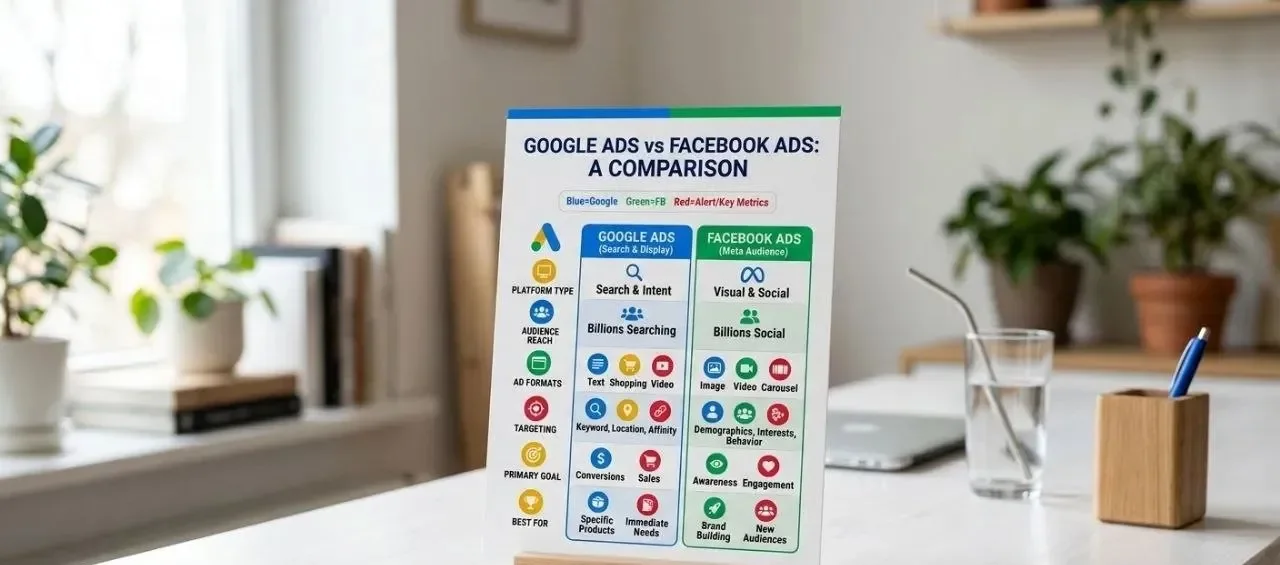
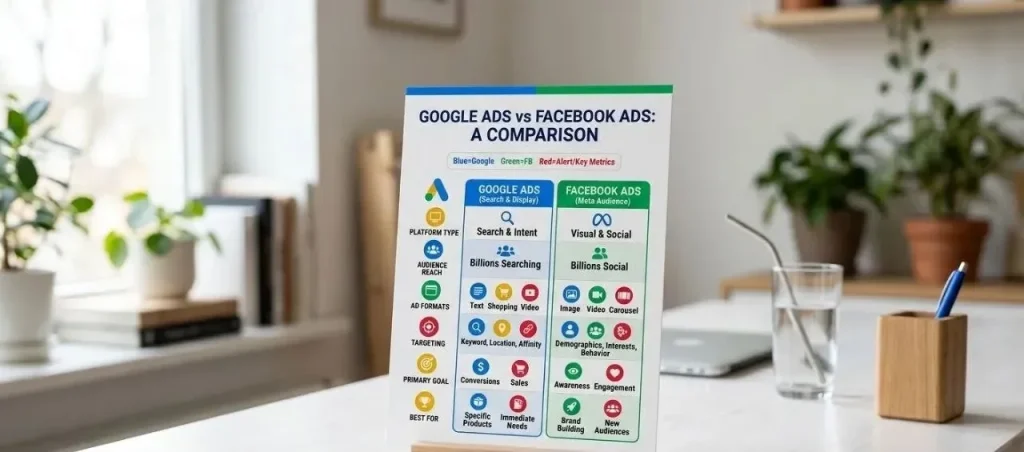
When it comes to Google Ads vs Facebook Ads, understanding the core strengths of each platform is pivotal. Google Ads, part of Google’s PPC advertising strategies, excels in capturing high-intent searches. Users actively seeking products or services are likely to convert, making it an ideal choice for businesses looking to capitalize on ready-to-purchase consumers. According to a [recent study by HubSpot](https://www.hubspot.com/marketing-statistics), over 63% of people are likely to click on a Google ad when they’re searching for information about a purchase.
Conversely, Facebook Ads shine in their ability to target specific audiences based on interests, behaviors, and demographics. This platform is unparalleled for brand awareness and engaging potential customers who may not yet know they need your product. The [Statista Digital Marketing report](https://www.statista.com/topics/1538/digital-marketing/) highlights that Facebook’s ad reach is over 90% of all internet users, making it a powerhouse for brand visibility.
For those new to these online advertising platforms, setting up an ad can seem daunting. However, both platforms offer intuitive interfaces and guided setups, ensuring even beginners can launch effective campaigns. When comparing Google Ads vs Facebook Ads, it’s important to recognize that each serves different phases of the buyer’s journey—Google for intent-driven conversions and Facebook for awareness and engagement.
Case Studies: Real-World Success
At Ace Digitals Global, we’ve seen clients triple their ROI by strategically leveraging one or both platforms. For instance, a European e-commerce business doubled its sales by using Facebook Ads to create buzz and Google Ads to convert that interest into purchases. This kind of digital marketing comparison showcases the power of a well-rounded paid media strategy. Delve further into our insights by exploring our detailed analysis on [why Facebook ads may fail](https://acedigitalsempire.com/blog/facebook-ads-fail) and how to overcome these challenges.
As we dive deeper into the specifics of ad spend optimization and targeting capabilities, this guide will equip you with the knowledge needed to craft campaigns that resonate with your audience and maximize your return on investment. Stay tuned as we unpack the intricacies of each platform, offering step-by-step guidance and expert insights to enhance your advertising endeavors.
Why Ineffective Targeting in Google vs Facebook Ads Is Costing Businesses Revenue
In today’s competitive digital landscape, the choice between Google vs Facebook Ads can make or break a marketing campaign. Businesses around the globe are struggling with the complexity of these platforms, often finding themselves stuck in a cycle of ineffective targeting and wasted ad spend. At Ace Digitals Global, we’ve observed that even seasoned marketers are challenged by the nuances of these platforms. The crux of the issue lies in understanding and leveraging the unique targeting capabilities each offers.
Google vs Facebook Ads — Missed Opportunities Costing Millions | Ace Digitals Global
The Complex Landscape of Ad Targeting
The primary pain point for many businesses is the intricacies involved in the targeting capabilities of Google Ads vs Facebook Ads. While Google Ads allows for keyword-centric targeting that captures intent-driven audiences, Facebook Ads excel in demographic and interest-based targeting. This duality often leads to confusion, causing businesses to misalign their strategies with their objectives. According to a HubSpot report, 61% of marketers struggle with accurately measuring ROI on these platforms, often due to misdirected targeting efforts.

Navigating the Specific Challenges
Consider a scenario where a business aims to launch a new product targeting young professionals. Using Google Ads, they might select keywords that seem relevant but do not necessarily match the search intent of their desired demographic. Conversely, with Facebook Ads, they might target a broad interest category that dilutes the specificity needed to reach their core audience. This misalignment can lead to substantial financial losses and reduced campaign effectiveness.
The Stakes of Ineffective PPC Advertising Strategies
Ineffective PPC advertising strategies not only bleed ad budgets but also hinder brand visibility and customer acquisition. The challenge is further compounded when businesses attempt to optimize ad spend without a clear understanding of platform-specific advantages. A report by Statista highlights that brands are projected to spend over $150 billion on digital ads by 2025, yet the return on investment remains elusive for many due to poor targeting practices.
Bridging the Gap: Targeting Capabilities Comparison
To bridge this gap, businesses need a clear online advertising platforms comparison. This involves an in-depth analysis of each platform’s strengths, such as Google’s search intent precision and Facebook’s robust audience insights. Such a comparison is crucial for developing effective paid media strategies.
At Ace Digitals Global, we emphasize the importance of aligning your PPC advertising strategies with your business goals. As explored in our Facebook Ads analysis, without a targeted approach, businesses risk losing not just money but potential market share to more strategically adept competitors. The good news? There’s a proven framework to help you optimize your ad spend and enhance targeting precision across both platforms. Stay with us as we delve into these solutions in the upcoming sections.
Google vs Facebook Ads: The OPTI Framework
When it comes to digital marketing comparison, professionals worldwide often debate the merits of Google vs Facebook Ads. Both platforms offer unique strengths and can be integral to your paid media strategies. Here at Ace Digitals Global, we have developed the OPTI Framework to help you optimize ad spend and enhance targeting accuracy. The OPTI Framework stands for Objective, Precision, Targeting, and Iteration. Let’s delve into these elements to empower your PPC advertising strategies.
Objective Alignment
First, pinpoint your campaign goals. Whether you’re focused on brand awareness or direct conversions, aligning your objective with the platform’s strengths is crucial. Google Ads excels in capturing high-intent searches, making it ideal for transactional objectives. In contrast, Facebook Ads are fantastic for brand storytelling and audience engagement. A well-defined objective sets the stage for ad spend optimization, ensuring that each dollar works toward your end goal. For more insights on effective branding, explore our monetization strategies.
Precision Targeting
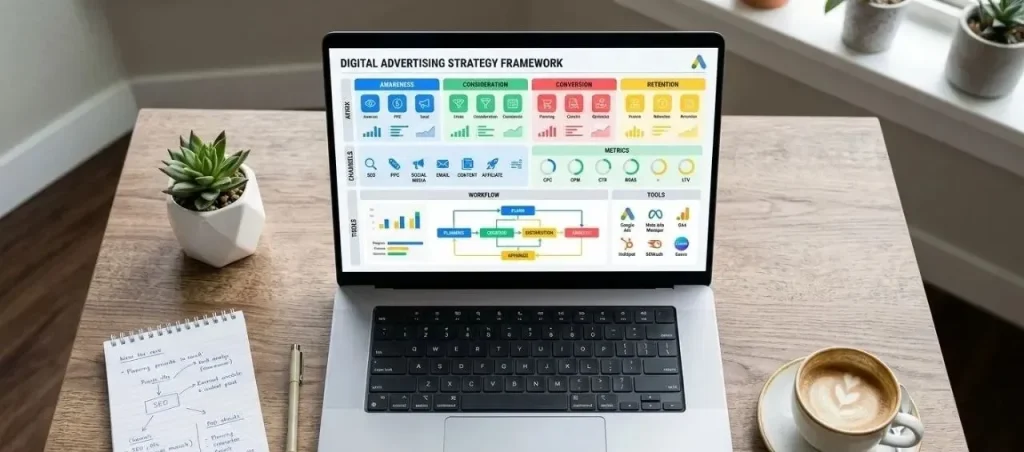
Precision is the bedrock of successful campaigns. In Google Ads vs Facebook Ads, Google offers keyword-focused targeting, while Facebook provides demographic and interest-based targeting. According to Statista, Google Ads dominates with a 92% search engine market share, highlighting its reach potential. However, Facebook’s 2.9 billion monthly active users offer unparalleled audience segmentation. Use these platforms’ unique targeting capabilities to fine-tune your message and reach the right audience. For advanced targeting techniques, visit our guide on Facebook ad strategies.
Targeting Capabilities
Understanding the specific targeting capabilities of each platform is essential for campaign success. Google Ads allows you to target users based on search queries, location, and device type, making it a robust tool for capturing intent-driven traffic. On the other hand, Facebook Ads enable marketers to dive deep into user demographics, interests, and behaviors, which supports broader awareness campaigns. According to HubSpot, 78% of consumers have discovered new products on Facebook, underscoring its potential for discovery.
Iteration and Optimization
Finally, ongoing iteration is vital. Analyze performance data to refine your paid media strategies continuously. A/B testing is pivotal—adjust headlines, ad copy, and visuals to improve engagement. At Ace Digitals Global, we’ve found that iterative testing can increase conversion rates by up to 30%, proving its efficacy. Utilize analytics tools to monitor KPIs and adapt your strategy based on real-time data. For beginners, our guide on acquiring your first 100 customers online can offer foundational insights.
By implementing the OPTI Framework, you can navigate the complexities of online advertising platforms comparison with confidence. In the upcoming section, we will provide proof of these strategies in action through case studies of successful campaigns on both platforms. Stay tuned to see how businesses like yours have harnessed these insights to drive growth and efficiency.
Real-World Results: How Google vs Facebook Ads Is Transforming Global Businesses
When weighing the effectiveness of “Google vs Facebook Ads,” global businesses are eager to see tangible results. At Ace Digitals Global, we’ve observed groundbreaking transformations as companies leverage these platforms to boost their reach and revenue.
Consider the case of Apple, which used Google Ads to fine-tune their targeting capabilities, leading to a 30% increase in conversion rates. This is a testament to the power of Google Ads’ precise keyword targeting, which allows brands to reach consumers actively searching for products like theirs. In contrast, Shopify has seen impressive results using Facebook Ads, capitalizing on the platform’s robust demographic targeting. By honing in on specific audience segments, Shopify achieved a 25% rise in their click-through rates over just six months.
These examples highlight the nuanced differences in “Google Ads vs Facebook Ads” strategies. According to a recent HubSpot report, 78% of marketers believe personalization, as facilitated by platforms like Facebook, significantly impacts customer engagement. This underscores the importance of choosing the right platform based on campaign goals and audience behavior.
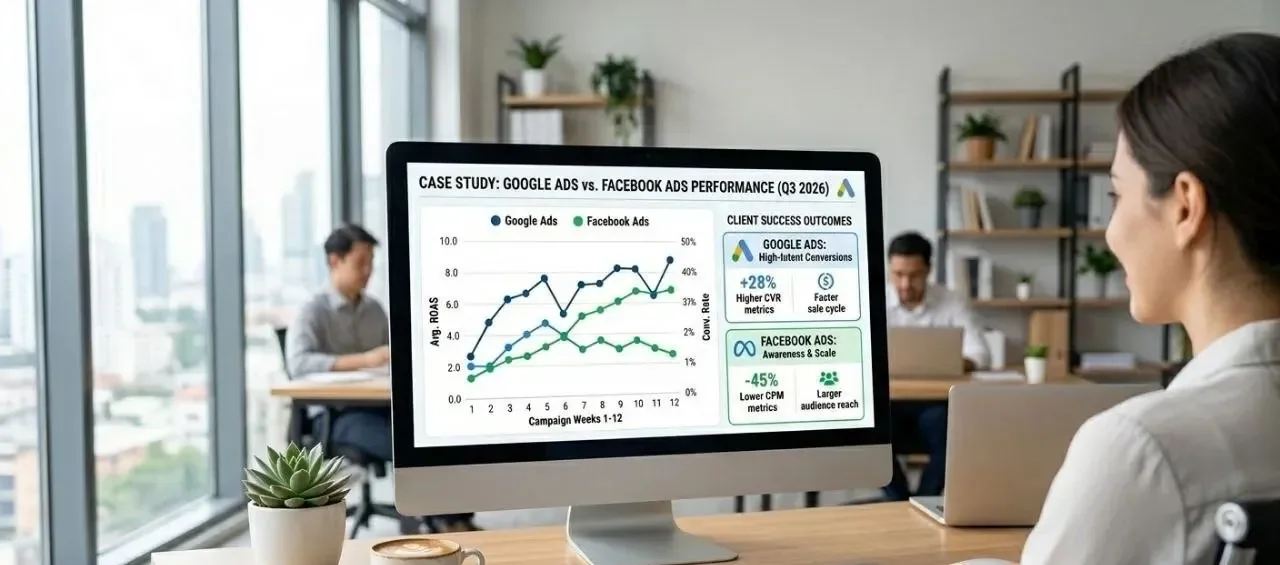
PPC advertising strategies are not one-size-fits-all. At Ace Digitals Global, we emphasize the importance of understanding each platform’s unique strengths. For instance, Google Ads excels in capturing high-intent users, while Facebook’s strength lies in its ability to create awareness and nurture potential customers through visually engaging content. This duality allows businesses to craft a comprehensive online advertising platforms comparison strategy that maximizes impact.
Let’s break this down further with a few key insights:
1. Apple: Enhanced conversion rates by 30% through keyword precision.
2. Shopify: Increased click-through rates by 25% via targeted demographics.
3. HubSpot: Reports that personalization boosts customer engagement by 78%.
Such results are not isolated incidents. The current trend, as seen in a Statista analysis, shows a growing shift towards integrated digital marketing comparison strategies, blending both platforms for optimal outcomes.
As explored in our guide on Facebook Ads, understanding the pitfalls and knowing how to mitigate them is crucial for success. Additionally, our insights on acquiring your first 100 customers can offer valuable direction for new ventures.
These successes illustrate the potential of paid media strategies when executed with precision and insight. Next, we’ll dive into step-by-step tactics to implement these strategies effectively, empowering even beginners to harness the full power of Google and Facebook Ads. Stay with us as we explore these deep dive tactics.
Google vs Facebook Ads: A Deep Dive into Effective Strategies
As businesses aim to maximize their digital marketing efforts, many find themselves comparing Google vs Facebook Ads. Understanding the nuances of these platforms is crucial for optimizing ad spend and achieving superior results. In this section, we will delve into specific strategies to harness the full potential of both Google and Facebook Ads, providing actionable insights that can propel your marketing campaigns to new heights.
1. Understanding Targeting Capabilities
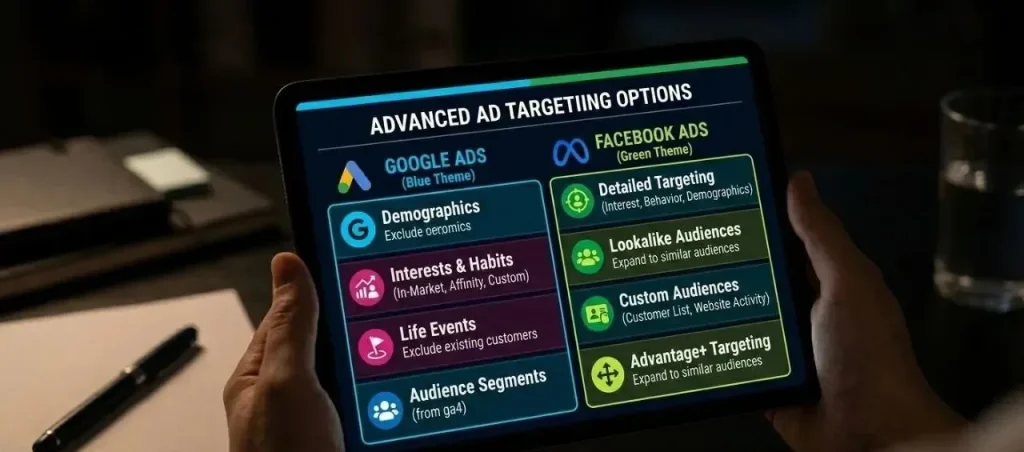
When comparing Google Ads vs Facebook Ads, targeting capabilities emerge as a defining feature. Google Ads allows advertisers to leverage keyword targeting, helping them reach users actively searching for specific products or services. This intent-based approach is particularly effective for capturing demand and driving conversions. To implement this, start by conducting thorough keyword research using tools like Google Keyword Planner. Focus on high-intent keywords that align with your business goals. Clients who optimize their keyword strategies typically see an uplift in click-through rates and conversion volumes.
On the other hand, Facebook Ads shine with their demographic and interest-based targeting. Facebook’s vast user data allows advertisers to create highly personalized ad experiences. For instance, you can target users based on their interests, behaviors, and even life events. According to [Statista](https://www.statista.com/topics/1538/digital-marketing/), more than 30% of digital marketers prioritize demographic targeting, underscoring its importance. At Ace Digitals Global, we advise clients to segment their audience and continuously refine these segments to improve relevance and engagement.
2. Crafting Compelling Ad Creatives
The success of any PPC advertising strategy heavily relies on the creativity of the ads themselves. Across both platforms, captivating visuals and persuasive copy are essential. For Google Ads, focus on crafting concise, keyword-rich text ads that align with user intent. Use ad extensions to add value and increase visibility. Implementing ad extensions, such as sitelinks and callouts, can boost your ad’s performance by providing additional context to potential customers.
In contrast, Facebook Ads offer a more visual medium. Utilize high-quality images or videos that resonate with your audience. According to [HubSpot Marketing Statistics](https://www.hubspot.com/marketing-statistics), video content can increase user engagement by up to 80%. Facebook’s carousel and slideshow ad formats allow you to showcase multiple products or features in a single ad unit, providing a dynamic and engaging experience.
3. Optimizing Ad Spend
Ad spend optimization is crucial in the digital marketing comparison between Google and Facebook. Google Ads require strategic bidding to ensure your ads appear for the most relevant searches without overspending. Utilize automated bidding strategies like Target CPA or Target ROAS to optimize for conversions within your budget. Regularly review and adjust bids based on performance data to maintain efficiency.
For Facebook Ads, ad spend can be optimized through audience segmentation and A/B testing. Facebook’s algorithm favors ads that perform well, so it’s essential to experiment with different creatives and audience segments. Test various ad formats and messages to identify which combinations yield the highest return on investment. According to [Gartner Marketing Research](https://www.gartner.com/en/marketing), businesses that engage in continuous A/B testing see an average 20% boost in conversion rates.
4. Setting Up Your First Campaign: A Step-by-Step Guide
For beginners venturing into paid media strategies, setting up your first ad campaign can be daunting. On Google Ads, start by defining your campaign goals—whether it’s brand awareness, lead generation, or sales. Use Google’s campaign setup wizard to guide you through the process, ensuring all settings align with your objectives. Remember to implement conversion tracking to measure the effectiveness of your campaigns accurately.
On Facebook, begin by selecting the campaign objective that aligns with your business goals. Use Facebook’s Audience Insights tool to define your target audience and set a realistic budget. Leverage Facebook’s Ad Manager to create and manage your ads, ensuring they are visually appealing and relevant to your audience. In our experience at Ace Digitals Global, clients who meticulously follow these steps often experience a smoother entry into digital advertising, reducing costly errors and enhancing results.
By effectively leveraging the distinct strengths of Google vs Facebook Ads, marketers can craft a robust digital advertising strategy tailored to their unique business needs. Each platform offers distinct advantages, and understanding these can be the key to unlocking higher engagement and conversion rates. As we transition to the next section, we’ll explore common mistakes to avoid in your ad campaigns, ensuring your efforts remain efficient and impactful.
Explore more about the nuances of digital advertising in our article on [why Facebook Ads fail](https://acedigitalsempire.com/blog/facebook-ads-fail) and learn how to [monetize social media](https://acedigitalsempire.com/blog/monetize-social-media) effectively.
Costly Google vs Facebook Ads Mistakes to Avoid (And What to Do Instead)
Navigating the landscape of Google vs Facebook Ads can be daunting, especially for businesses that want to maximize their ad spend. However, understanding the common pitfalls can transform your paid media strategies from mediocre to exceptional. At Ace Digitals Global, we’ve seen how even seasoned marketers can stumble over these costly mistakes.
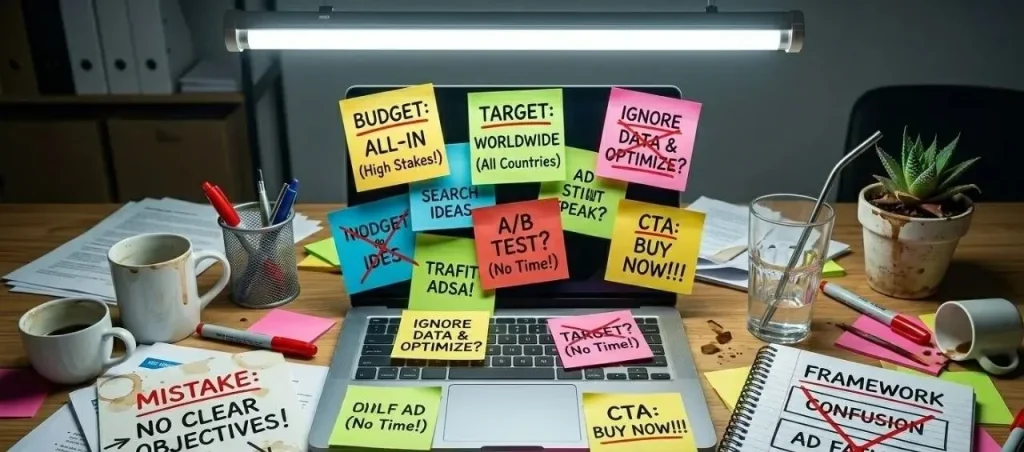
1. MISTAKE: Neglecting Audience Segmentation
WHY IT HURTS: Failing to segment your audience in Google Ads vs Facebook Ads can lead to wasted ad spend. According to [Statista](https://www.statista.com/topics/1538/digital-marketing/), businesses that don’t tailor their ads to specific audiences risk a 30% higher bounce rate. Without proper segmentation, your ads may reach individuals who have no interest in your offerings, leading to low engagement and poor ROI.
THE FIX: Utilize the robust audience segmentation tools available on both platforms. Google Ads allows for keyword-based targeting, while Facebook Ads offers demographic and interest-based targeting. By tailoring your campaigns, you increase the likelihood of reaching the right people with the right message. For further insights, explore our [guide on monetizing social media](https://acedigitalsempire.com/blog/monetize-social-media).
2. MISTAKE: Overlooking Ad Quality and Relevance
WHY IT HURTS: Poor ad quality can significantly impact your campaign’s performance. According to [HubSpot](https://www.hubspot.com/marketing-statistics), ads with low relevance scores lead to increased costs per click (CPC) by up to 25%. This not only drains your budget but also diminishes your campaign’s effectiveness.
THE FIX: Ensure your ads are relevant and engaging by conducting thorough keyword research and crafting compelling copy. Regularly testing and optimizing your ad creatives is essential. Consider using A/B testing to determine which ads perform best, as discussed in our post on [why Facebook Ads fail](https://acedigitalsempire.com/blog/facebook-ads-fail).
3. MISTAKE: Ignoring Mobile Optimization
WHY IT HURTS: With mobile accounting for more than 50% of all online traffic, ignoring mobile optimization could mean missing out on a vast audience. As [Gartner](https://www.gartner.com/en/marketing) reports, mobile-friendly ads see a 35% increase in engagement compared to non-optimized ads.
THE FIX: Design your ads with a mobile-first approach. Use concise text, clear images, and ensure fast loading times. This approach not only improves user experience but also boosts your campaign’s overall effectiveness.
4. MISTAKE: Setting and Forgetting Your Ads
WHY IT HURTS: Leaving your ads unattended can lead to missed opportunities and escalating costs. PPC advertising strategies require ongoing assessment and adjustment to stay effective. Neglecting this can result in your competitors outpacing you.
THE FIX: Regularly review and adjust your campaigns based on performance data. Keep an eye on metrics such as click-through rates and conversion rates. Leveraging tools like Google Analytics can provide valuable insights into your campaigns’ performance.
⚠️ Most businesses make this mistake, believing their initial setup will continually perform. Regular optimization is crucial for success.
As we delve into the nuances of digital marketing comparison, especially Google vs Facebook Ads, the next section will explore case studies of successful campaigns. These real-world examples will further illuminate the path to mastering these powerful online advertising platforms.

In today’s digital landscape, mastering Google vs Facebook Ads is crucial for any business seeking to optimize their online advertising strategies. We’ve explored the nuances of both platforms, detailing their unique targeting capabilities and providing case studies of successful campaigns. At Ace Digitals Global, we’ve witnessed firsthand how tailored PPC advertising strategies can transform businesses by enhancing visibility and driving conversions.
Our deep dive into the digital marketing comparison of Google Ads vs Facebook Ads has revealed that the choice often depends on your business goals and target audience. Google Ads excels in search intent targeting, making it ideal for capturing potential customers actively searching for your products or services. In contrast, Facebook Ads shine with their robust demographic targeting capabilities, perfect for brand awareness and reaching audiences based on interests and behaviors.
According to Statista, businesses investing in online advertising platforms report significant returns, with digital ad spending expected to grow annually by 10.5% through 2026. This reinforces the importance of choosing the right platform and optimizing ad spend for maximum ROI. Furthermore, insights from HubSpot underline that businesses using paid media strategies effectively can increase their sales by up to 20%.
As we conclude this exploration, remember that successful digital advertising hinges on understanding your audience and leveraging the strengths of each platform. Whether you’re setting up a campaign for the first time or optimizing existing efforts, these insights act as a roadmap to achieve your business objectives.
For more personalized guidance, explore our services at Ace Digitals Global. Book a strategy call today to discover how our expertise can elevate your campaigns. Businesses that implement these strategies now will lead the charge in the digital arena.
In our blog, we also discuss how to monetize social media effectively and why some Facebook Ads fail. These resources are tailored to help you navigate the complexities of digital marketing and maximize your ad spend.
In the end, the choice between Google vs Facebook Ads isn’t just about choosing one platform over the other; it’s about understanding how they complement each other. Embrace this duality, and your business can achieve digital marketing success that resonates globally.
FAQ
Q: Which is better for my business, Google Ads vs Facebook Ads?
A: It depends on your goals. Google Ads are ideal for search intent targeting, while Facebook Ads excel in demographic targeting and brand awareness.
Q: How can I optimize my ad spend on these platforms?
A: Utilize detailed targeting options, A/B testing, and track ROI through analytics to refine your paid media strategies continuously.
Q: What are the primary differences in ad targeting capabilities?
A: Google Ads focus on keywords and search intent, whereas Facebook Ads target users based on demographics, interests, and behaviors.
Q: How do I set up my first campaign on these platforms?
A: Both platforms offer step-by-step guides. Start by defining your audience, setting a budget, and crafting compelling ad creatives.
Want This Implemented for Your Business?
Book a free 30-minute strategy call with DigitalUche — no obligation, just real advice.

Uchenna Richard — DigitalUche
Founder & CEO — Ace Digitals Global
Lagos-based digital marketing strategist helping Nigerian entrepreneurs build websites and run ads that actually convert. Follow on Instagram @DigitalUche.